


Cannabis, Reimagined: How the 20-Something Gen Zers Are Making Edibles a Part of their Everyday Experiences
From dinner parties and concert nights to creative jams and sunset hangs, a new generation is exploring cannabis through a wider menu of formats, doses, and cannabinoid combinations.
Cannabis Has Left the “Friday Night” Box
For previous generations, cannabis often came with a designated time, place, and soundtrack. You knew exactly what a cannabis night was going to be like: somebody had a playlist and a Bluetooth player, somebody else brought the munchies, and, from then on, the evening had a pretty predictable destination.
For Gen Z, however, the cannabis conversation is getting more nuanced. Instead of asking only, “How high do I want to get?” the question is increasingly about the experience itself. Is this a dinner with friends? A concert? A creative afternoon? A night of gaming? Or just a chance to switch gears after a long day?
According to the Brightfield Group, 64% of cannabis consumers say relaxation is their primary motivation, and 30% now prefer cannabis over alcohol entirely.
Smoking flower isn’t the only option. Gummies and cannabis beverages offer pre-portioned servings and a wide range of ratios of THC to minor cannabinoids like CBD, CBN, and CBG. Cannabis drinks bring a familiar drinking ritual into a different category. Tinctures offer another way to measure a serving, while newer fast-acting formulations aim to shorten the wait between consumption and noticeable effects. Low-dose products appeal to people who prefer a lighter experience over an overwhelming one. In a recent survey, Azuca Group found that 52% of cannabis consumers prefer gummies over smoking (39%), and 53% of the people surveyed wish edibles took effect sooner.
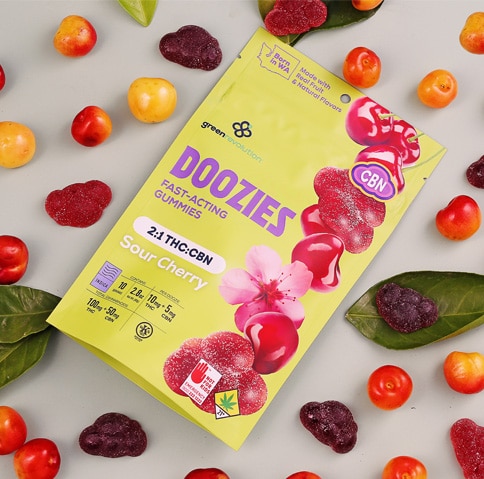
And THC is no longer the only cannabinoid in the conversation. CBD, CBN, CBG, and CBC are appearing in a growing range of formulations, giving product developers more ways to differentiate products by their ingredients and intended use. At Green Revolution, the minor cannabinoids are at the core of their popular lines of Doozies. Consumers select specific cannabinoid blends and ratios as a way to dial in a unique experience – formulations with CBN for improved sleep, formulations with a high percentage of CBD to take the edge off, and formulations with CBG for a brighter, uplifted experience.
Welcome to the era of vibe curation.
The idea isn’t necessarily to get as high as possible. It’s to have more information and choice: how much THC a product contains, which other cannabinoids are included, how quickly effects might begin, and how the formulation fits the occasion.
Three concepts are especially relevant to this shift: microdosing, faster-onset edibles, and multi-cannabinoid formulations.
Microdosing means using a very small amount of THC, often with the goal of keeping the experience subtle.
Fast-acting edibles aim to reduce the waiting time associated with conventional products. Multi-cannabinoid formulations bring together compounds with different chemical properties and effects, creating more options for consumers to explore. Here a novel innovation like Green Revolution’s UNET uses nano technology to create microscopic cannabis oil particles that are more easily absorbed by the body, resulting in a faster onset of effects.
None of these approaches guarantees a particular feeling or outcome. But together, they represent a more considered approach to cannabis—one that puts the entire product experience ahead of potency alone.
Dinner, Drinks & the New Social Cannabis
The dinner party is getting a new conversation starter. According to Gallup, the share of U.S. adults 18-34 who drink alcohol fell from 72% in 2001-2003 to 62% in 2021-2023.
Now imagine a small group of friends gathering for homemade pasta, a carefully assembled playlist, and a table full of interesting, non-alcoholic drinks. Someone brings a cannabis beverage or a mixer. Someone else prefers not to consume anything at all. The evening is about the company, the food, and the conversation—not a collective mission to get completely wrecked.
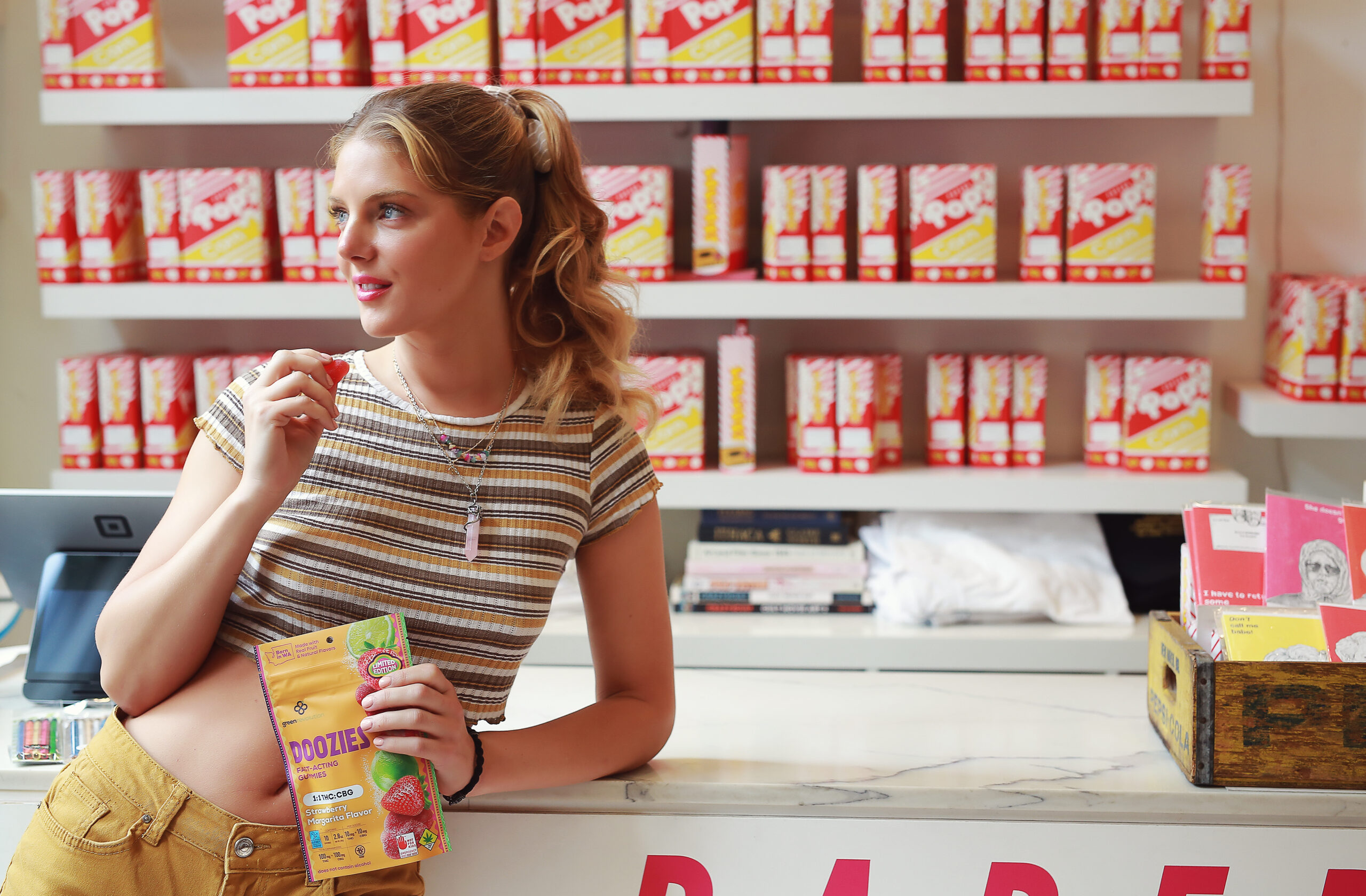
Cannabis beverages, in particular, borrow from a ritual people already understand. You open a can, pour a drink, and settle in. Gummies bring their own flexibility: they’re portable, easy to portion according to labeled servings, and available in a wide range of flavors and formulations.
Dose matters here. A small serving of THC may be enough for someone who wants a subtle experience, while a larger serving can produce much more intense and prolonged effects.
That’s why microdosing has become an important concept in the modern edible conversation. Rather than automatically reaching for a standard or larger serving, consumers can pay attention to the amount of THC per serving and consider whether a smaller amount better suits the occasion. A 2.5 mg starting dose of THC is a common place for most first-time users to experience the effects of cannabis while remaining firmly in control of their experience.
The formulation matters, too. A product containing THC alone differs from one that combines THC with CBD, CBN, CBG, or CBC. Those additional cannabinoids offer more variety in product composition, although their presence doesn’t guarantee a specific effect or cancel out THC’s intoxicating properties.
Fast-acting beverages and edibles add another variable: timing. Some are designed to produce noticeable effects sooner than conventional edibles, which can be appealing when planning a social occasion.
Concerts, Festivals & Going Out
Less blackout, more locked in.
Live music is about atmosphere: the bass vibrating through the floor, the lights cutting through the dark, and that moment when an entire crowd seems to know the next lyric. It’s easy to understand why some cannabis consumers are interested in incorporating edibles or beverages into the experience.
For some, a concert or outdoor festival is an occasion for a deliberately modest dose. The idea is to enjoy the surroundings while remaining aware of the people, music, and activity around them—not to spend the headline set trying to remember where they are.
This is where microdosing and product timing become particularly relevant. A lower-dose product may be preferable for someone who wants to avoid an unexpectedly intense experience. A faster-onset edible may also seem appealing when the goal is to reduce the uncertainty of waiting for effects to begin.
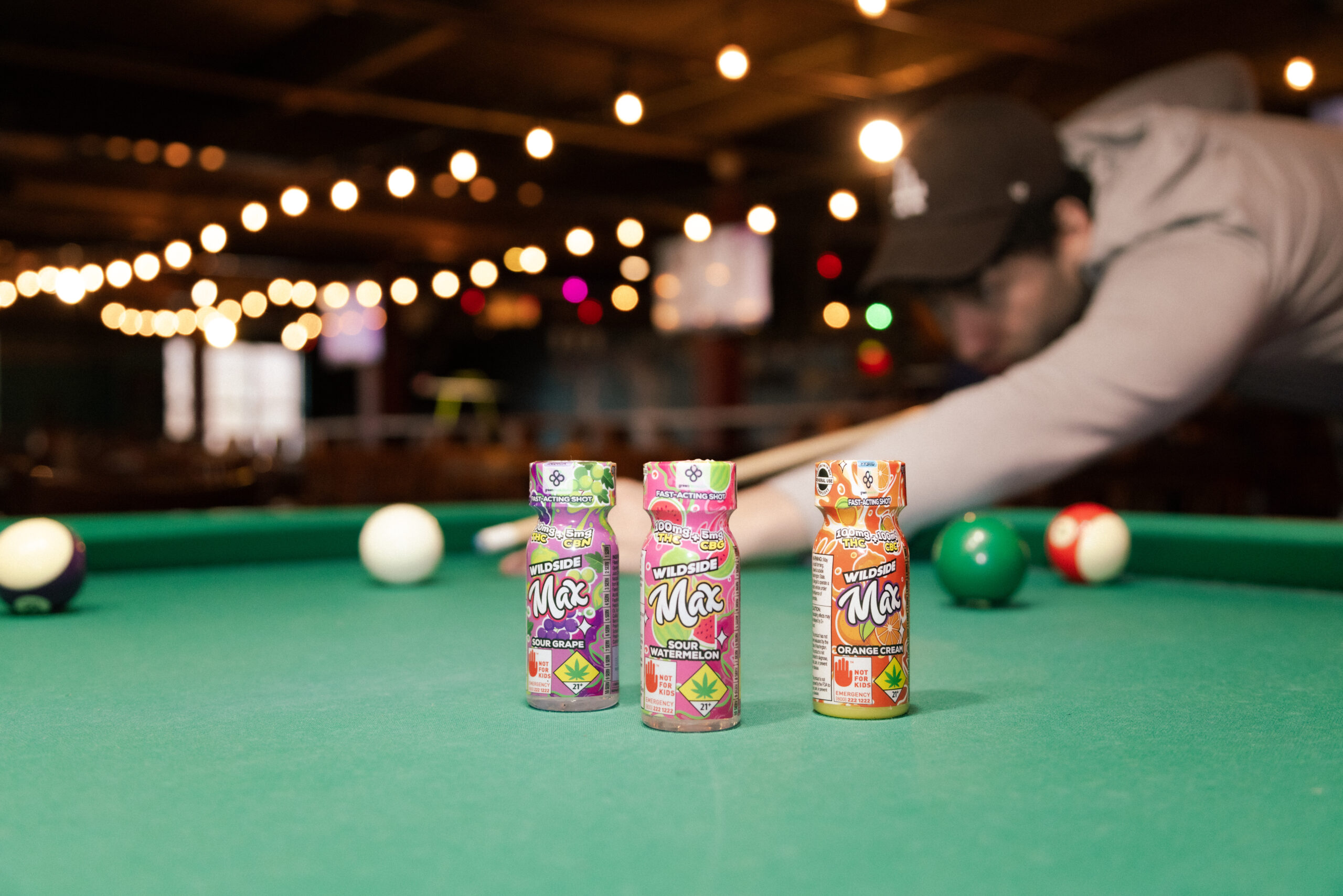
Traditional edibles can take an hour or longer to produce noticeable effects, and sometimes considerably longer. Certain fast-acting formulations are designed to begin working sooner, with some products, like Green Revolution’s Doozies gummies and Wildside shots, reporting onset in approximately 15–30 minutes.
Take It Outside: Cannabis Meets the Outdoors
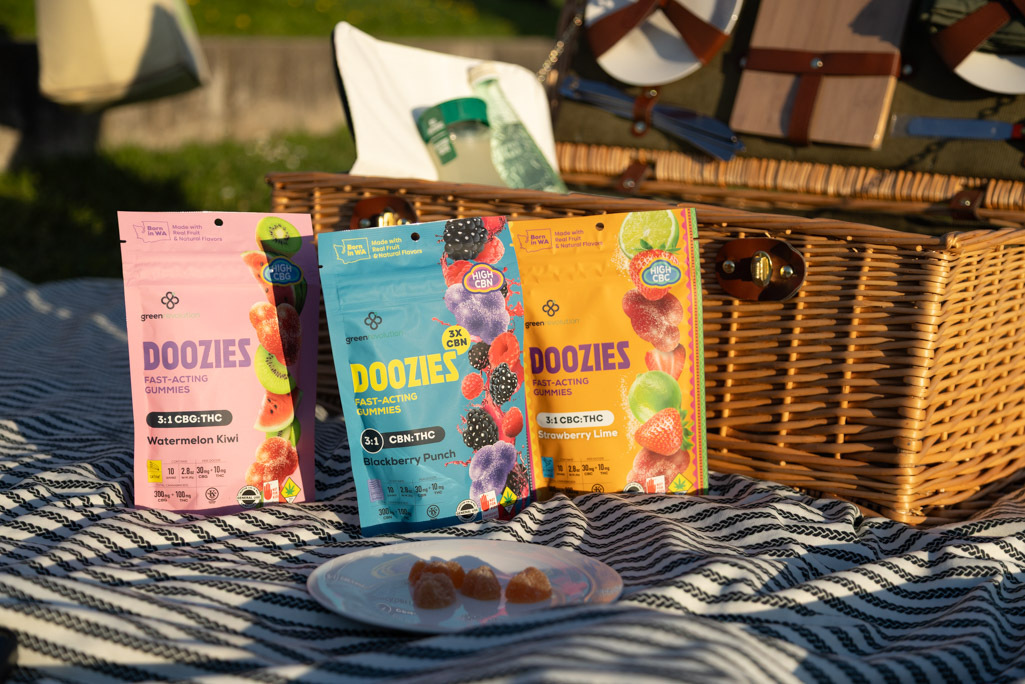
Not every cannabis experience happens on a couch. For some consumers, the appeal is taking a break from screens and spending time outside, whether that’s a picnic, a camping weekend, a beach afternoon, or simply watching the sunset with friends.
Nature already has a way of making ordinary moments feel a little less ordinary. The colors at golden hour, the sound of waves, the smell of pine after rain—these experiences don’t need much embellishment. Some cannabis consumers enjoy pairing them with a modest dose, while others prefer to keep the experience entirely sober.
Cannabis + Creativity
A blank canvas. An unfinished track. A camera full of photographs waiting to be edited. A recipe that needs one more interesting ingredient.
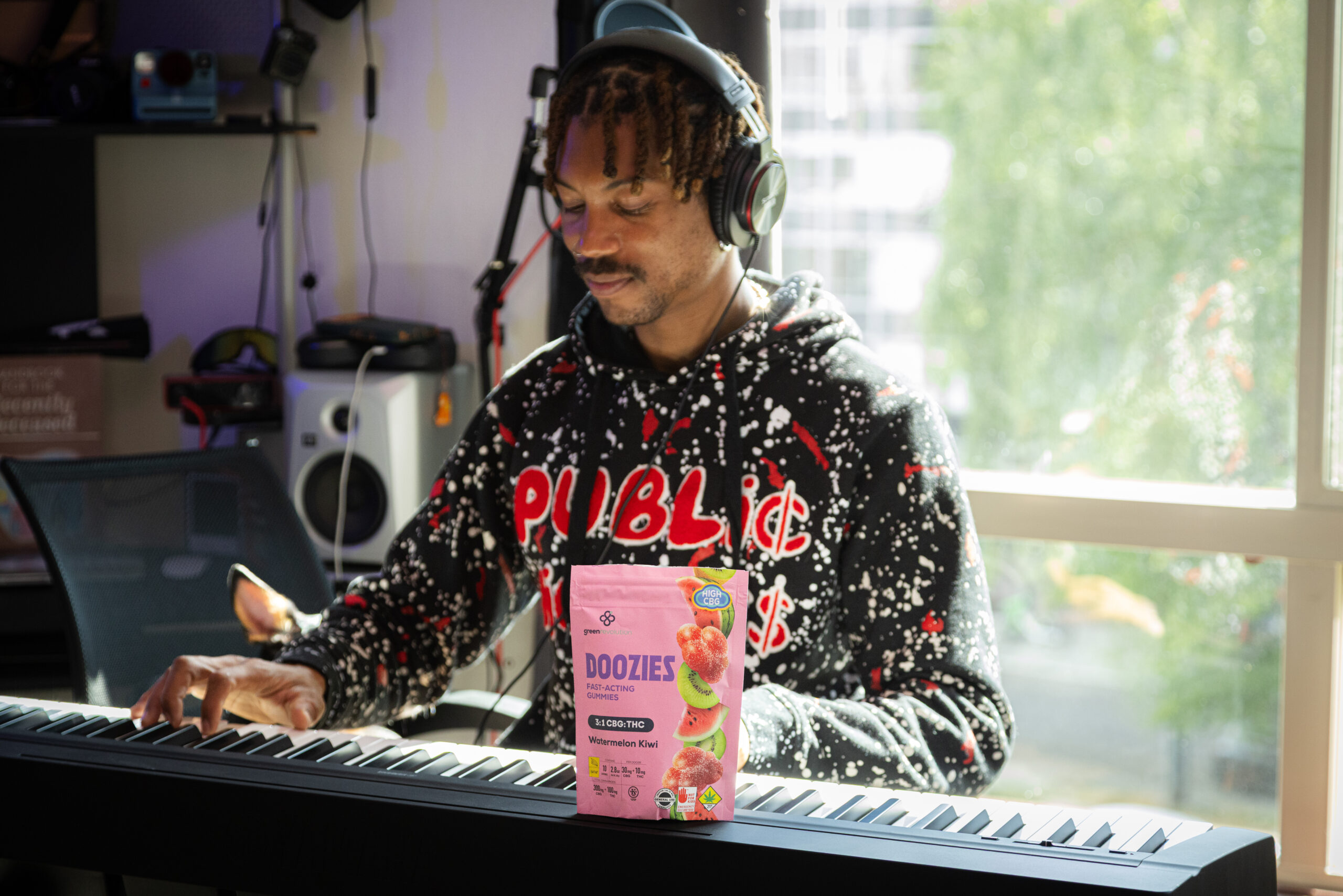
Creative work often involves experimenting, making unexpected connections, and seeing familiar things from a different perspective. It’s no surprise that some cannabis consumers incorporate it into personal creative rituals, from music production and photography to cooking, drawing, writing, and design.
For some people, cannabis can make an activity feel more immersive or change the way they perceive music, colors, textures, or time. Others find that it interrupts their concentration, makes complex tasks harder, or leaves them with plenty of ideas and very little follow-through.
Research doesn’t establish that THC reliably boosts creativity for everyone. Effects depend on the person, the dose, the task, and the context. Feeling more creative and producing more original work aren’t necessarily the same thing.
Gaming Gets Elevated
Gaming has always been about more than the screen. It’s competition, collaboration, storytelling, strategy, and the occasional spectacular failure that becomes a running joke for months.
For some adult gamers who use cannabis, a session can be another social occasion for edibles or beverages. Think multiplayer tournaments, board-game marathons, trivia nights, or a long campaign in a fantasy world. The point is to turn an ordinary evening into an event.
A cannabis beverage may fit the rhythm of a relaxed gaming night, while a gummy offers a pre-portioned serving. Some consumers prefer lower-dose options because they want to remain engaged rather than experience pronounced intoxication.
But the effects of THC on reaction time, attention, and short-term memory can be especially relevant in fast-paced or competitive games. What feels immersive might also make it harder to keep track of objectives or execute that perfectly timed move.
Cannabis Sessions: A Social Ritual of Their Own
Here’s an interesting shift in how cannabis can fit into a social life: sometimes, the gathering is the point.
Consider the established rituals around other everyday products. Coffee has its café culture. Wine has tastings and dinner pairings. Craft beverages have elaborate flavor notes and carefully designed glassware. Cannabis, in legal markets, has begun developing its own versions of these shared experiences.
Picture a Sunday afternoon built around cooking with friends. A music-listening night where everyone brings a favorite album. A backyard gathering with games, snacks, and a sunset playlist. A movie marathon where the discussion afterward is almost as entertaining as the film.
For consumers who choose to include cannabis, the experience might involve comparing product formats, learning about cannabinoid content, or simply making a familiar evening feel more intentional.
A cannabis tasting flight, for example, could focus on comparing labeled ingredients, flavors, and formats rather than consuming a series of increasingly potent products. The emphasis should be on learning, not keeping up.
Fast-acting edibles: Less waiting, more information
One of the most interesting developments in the edible category is the move toward formulations designed to shorten onset time.
Traditional edibles must pass through the digestive system and undergo metabolism before their effects become noticeable. That process can be slow and variable, making timing difficult to predict.
Some newer products use approaches such as nanoemulsification or other formulation technologies to improve cannabinoid dispersion and potentially accelerate absorption. Depending on the product, such as Green Revolution fast-acting Doozies gummies, consumers may begin noticing effects in approximately 15–30 minutes rather than waiting an hour or longer.
Microdosing: Small amounts, deliberate choices
Microdosing has become an important part of the conversation around more intentional cannabis consumption. Rather than focusing on maximum potency, the approach emphasizes using a very small amount of THC.
For context, some public-health guidance recommends that adults who are inexperienced with cannabis start with 2.5 milligrams of THC or less when choosing an edible.
Beyond THC: Minor cannabinoids and other ingredients
CBG, CBN, and CBC are attracting attention from product developers and curious consumers. But their presence on an ingredient list doesn’t establish a specific effect, and research on many proposed benefits remains limited.
Cannabis for the In-Between Moments
Perhaps the most interesting change isn’t a new product or a new consumption technique. It’s the growing range of occasions in which some consumers consider cannabis.
Historically, cannabis culture has often been portrayed as a distinct activity with its own time, place, and social identity. Today’s range of legal products makes it possible to imagine a broader spectrum of experiences: a planned social gathering, a relaxed evening at home, a music-listening session, or a quiet moment at the end of the day.
The New Cannabis Consumer Is More Intentional
The savvy cannabis consumer isn’t necessarily the person who knows the most slang or has tried the strongest product. It’s the person who understands that a product’s potency is only one piece of the equation.
They look at the label. They consider the serving size. They want to understand the ingredients, the formulation, and what the evidence actually supports. They recognize that a product that suits one person may not suit another—and that a familiar flavor or attractive package tells them very little about how a product will affect them.
Transparency matters, too. Clear THC labeling, reliable testing, accurate ingredient information, and responsible marketing help consumers make more informed decisions. Sustainability and sourcing may also influence purchasing choices, though these priorities vary from person to person.
The Future Is About the Moment
Gen Z isn’t a single consumer type, and cannabis isn’t becoming an everyday essential for everyone. But the evolving legal market offers a wider range of products and experiences than the old smoke-or-don’t-smoke binary suggests.
For some adult consumers, cannabis can be a social ingredient, a companion to a relaxed evening, an optional part of a creative gathering, or a product they’re curious enough to explore more carefully. For others, it’s not part of the picture.
The future of cannabis may not be about getting higher. It may be about getting more intentional.
